

Assisted living amenities should support safety, independence, comfort, and daily routines—not simply make a residence look appealing. For residents and families in Jim Thorpe, PA, the most useful features are those that match a person’s health needs, mobility, interests, and likely changes over time.
Which amenities matter most in assisted living?
The most valuable amenities are usually practical: accessible apartments, reliable meals, medication support, emergency response systems, transportation, housekeeping, and opportunities for social connection. Decorative features may be pleasant, but they should not outweigh services that affect everyday health and quality of life.
A helpful starting point is to divide amenities into four categories:
- Safety and accessibility
- Personal care and health support
- Daily convenience
- Social, recreational, and outdoor life
The right balance depends on the resident. Someone who remains active may prioritize transportation, walking areas, and activities. Someone managing memory loss, arthritis, or balance concerns may place greater importance on secure entrances, accessible bathrooms, and staff availability.
What safety and accessibility features should residents look for?
Safety features should make ordinary tasks easier without making the setting feel institutional. Ask to see the apartment, bathroom, dining area, hallways, and outdoor routes—not just common rooms.
Useful features may include:
- Emergency call systems in apartments and bathrooms
- Good lighting in hallways, stairwells, and outdoor paths
- Handrails and nonslip flooring
- Walk-in showers with grab bars and built-in seating
- Easy-to-open doors and lever-style handles
- Elevators or minimal changes in floor level
- Clearly marked exits
- Secure access for residents who may wander
- Seating areas along longer walking routes
Bathrooms deserve special attention because falls often happen during transfers, bathing, or nighttime toileting. Look for enough room to turn safely, accessible toilets, stable grab bars, and emergency access if assistance is needed.
In a hilly community such as Jim Thorpe, outdoor accessibility also deserves careful review. Sloped sidewalks, uneven surfaces, snow, ice, and wet leaves can make outdoor movement more difficult. Ask how walkways are maintained during winter weather and whether residents can reach transportation or outdoor seating without navigating steep or slippery areas.
How should meals and dining services be evaluated?
Dining is more than a convenience. It affects nutrition, medication routines, social interaction, and a resident’s sense of independence.
Ask whether the dining program provides:
- Multiple meal choices
- Modified textures for chewing or swallowing needs
- Options for diabetes, food allergies, or other dietary requirements
- Snacks and access to water between meals
- Flexible dining times
- Help for residents who need assistance eating
- Private or quieter dining spaces when needed
A dining room should be easy to reach and comfortable to use. Check whether tables have enough space for walkers or wheelchairs and whether chairs are stable and easy to stand from.
Families should also ask how missed meals are handled. A resident who does not appear for breakfast may need a wellness check, not simply a missed tray. The answer can reveal how closely daily routines are monitored.
What health and personal care amenities are important?
Assisted living is not the same as a nursing home, so the level of healthcare support can vary. Personal care amenities may include help with bathing, dressing, grooming, toileting, transferring, or medication reminders.
Before choosing a residence, clarify:
- Which services are included in the regular fee
- Which services cost extra
- Whether assistance is available overnight
- How medication storage and administration are handled
- How changes in health needs are assessed
- What happens if a resident needs more care later
- How urgent medical concerns are communicated to family members
An on-site wellness area can be useful, but its presence does not automatically mean medical care is available around the clock. Ask who is present during evenings, weekends, and overnight hours.
It is also wise to ask how the residence responds to falls, sudden confusion, illness, or a change in mobility. Clear procedures matter more than broad descriptions such as “supportive care.”
Does transportation count as an essential amenity?
For many residents, transportation is an essential service rather than an extra. Losing the ability to drive can make it harder to attend appointments, visit family, shop, participate in community activities, or maintain familiar routines.
Questions to ask include:
- How often scheduled transportation is available
- Whether rides require advance reservations
- Whether vehicles can accommodate walkers or wheelchairs
- Whether transportation is provided for medical appointments
- How far the service area extends
- What happens when a ride is delayed or canceled
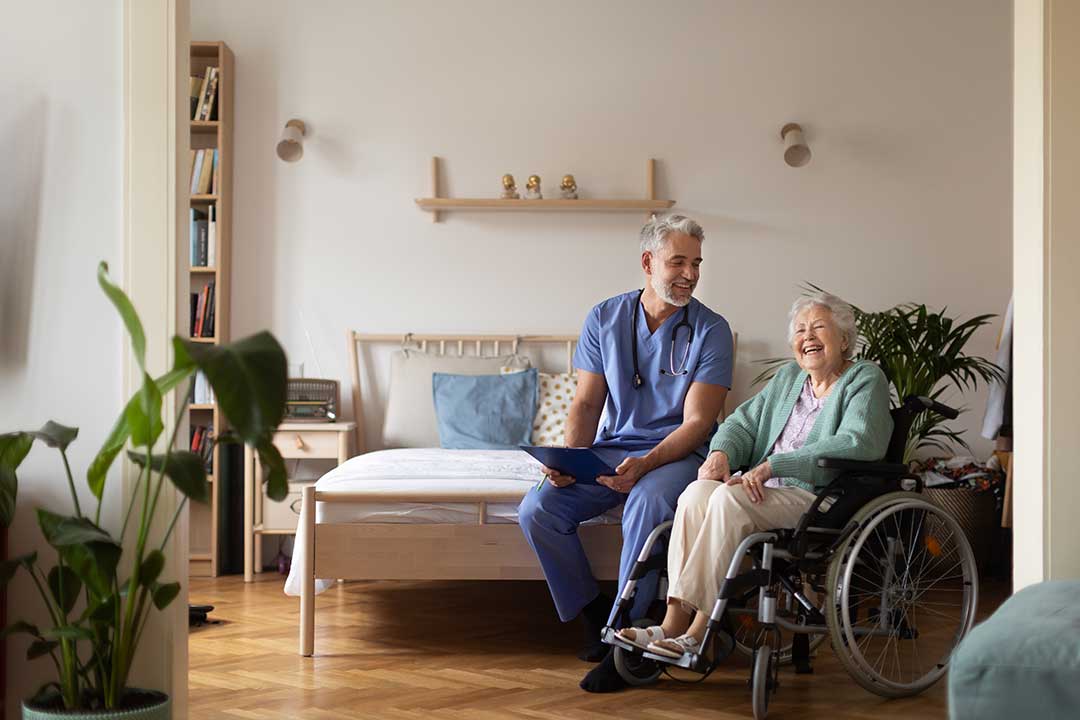
Jim Thorpe’s roads, hills, seasonal weather, and varying access to destinations make dependable transportation especially relevant. A residence may be comfortable inside, but limited transportation can contribute to isolation if residents cannot easily reach important appointments or maintain relationships.
Which housekeeping and apartment features improve daily life?
Housekeeping and laundry services can reduce physical strain and help residents maintain a safer living space. Ask how often apartments are cleaned, whether laundry is handled on-site, and how personal items are labeled and returned.
Apartment features to review include:
- Adequate storage
- Space for familiar furniture
- Good ventilation and temperature control
- Windows that provide natural light
- A private or shared bathroom suited to the resident’s abilities
- Room for mobility equipment
- Flooring that is stable and easy to navigate
- A clear process for maintenance requests
Do not judge an apartment only by its size. A smaller space with good lighting, safe flooring, accessible storage, and room for a walker may work better than a larger apartment with awkward corners or a difficult bathroom layout.
What activities and social amenities are worth considering?
Activities should offer meaningful choices rather than simply fill time. Look for programs that reflect residents’ interests, abilities, cultural backgrounds, and preferred energy levels.
Potential options include:
- Exercise or balance classes
- Arts, music, games, and educational programs
- Quiet reading or television areas
- Gardening or seasonal outdoor activities
- Religious or reflective spaces
- Family visiting areas
- Group outings
- Opportunities for residents to help with small tasks
A strong activity program includes alternatives for residents who do not enjoy large groups. Some people prefer one-on-one visits, puzzles, walking, listening to music, or sitting outdoors.
Ask how activities are adjusted for residents with hearing loss, vision changes, memory impairment, or limited mobility. Participation should not depend on being able to move quickly, hear announcements clearly, or understand complicated instructions.
Are outdoor areas and climate-related features important?
Outdoor access can support mood, movement, and connection with familiar surroundings. Look for level walking paths, shaded seating, secure gardens, covered entrances, and places to sit without needing to walk a long distance.
Seasonal conditions deserve attention in this region. Ask how the residence manages snow and ice, extreme heat, power interruptions, and indoor temperature changes. Reliable heating, cooling, backup procedures, and comfortable common areas are practical amenities that may become especially important as a resident ages.
How can families compare amenities fairly?
Make a short list of the resident’s current needs and likely near-term needs. Then separate essential features from preferences.
For example:
- Essential: emergency response, accessible bathroom, medication support
- Highly useful: transportation, housekeeping, flexible dining
- Personal preference: salon space, library, fitness room, or specialized activity areas
During a visit, observe how staff interact with residents, whether hallways feel calm, whether residents appear able to move safely, and whether common areas are actually being used. Ask the same questions at more than one residence and request written explanations of services and additional fees.
The most suitable assisted living amenities are the ones residents can use consistently and safely. A residence should make daily routines more manageable while preserving dignity, choice, and connection to the community.
